The Netherlands is facing a housing crisis. Thousands of new homes must be built quickly.
BIMZEC
Construction of these homes requires massive flows of materials.
And these flows cause emissions: CO2, particulate matter, and high nitrogen
levels. They harm our living environment, worsen air
quality, and risk halting construction projects.
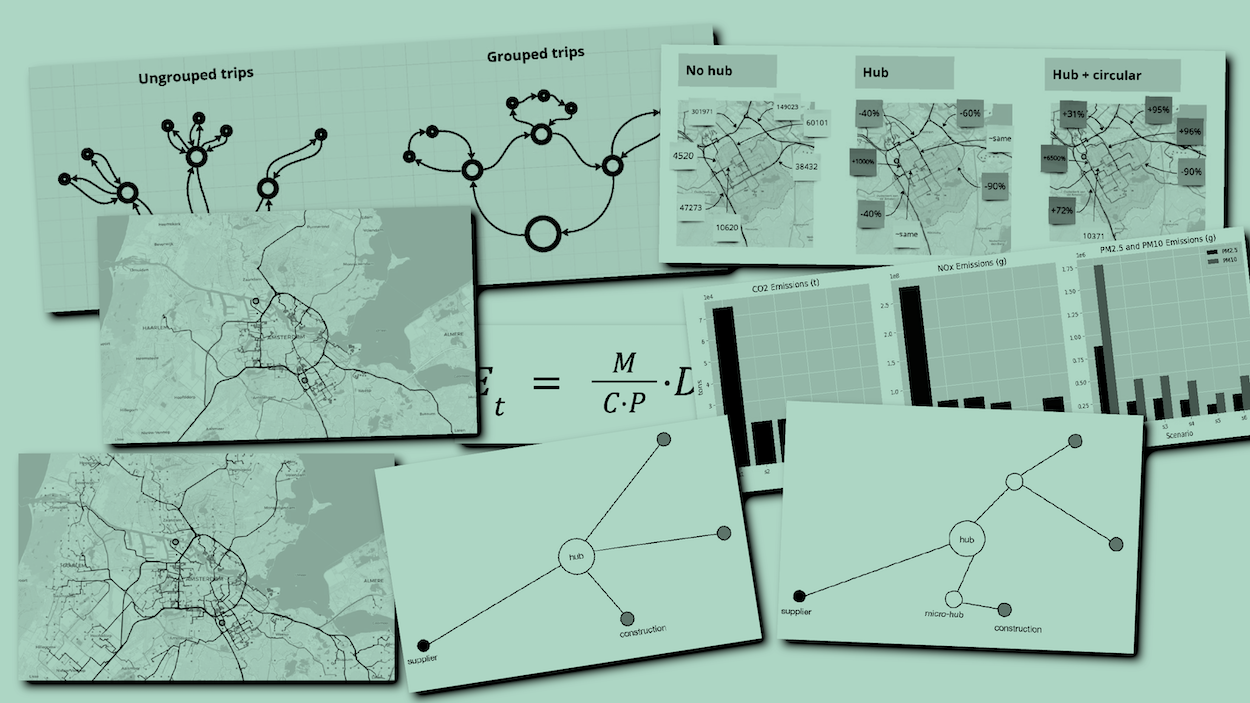
To come up with a solution for these emissions, we modeled construction logistics for the upcoming 10 years in Amsterdam.
We tested today's solutions in
our models.
Biobased
Materials like CLT or Glulam mass timber have far lower CO₂
footprints than steel or concrete. They are also lighter,
making transport easier.
Industrialized / Modular
Modular systems work like LEGO - prefabricated,
industrialized, and quickly assembled on-site. They
accelerate construction, pair well with timber, and allow
consolidated transport flows with the cost of higher
volumes.
Zero-emission
Unlike fossil-fueled trucks, electric or hydrogen trucks
eliminate CO₂ and NOx emissions. They require charging, have
shorter ranges, and often carry more weight.
Circular
A Circular Economy keeps materials and value in continuous
loops—through reuse, repair, and recycling. It requires
additional transport and local storage solutions.
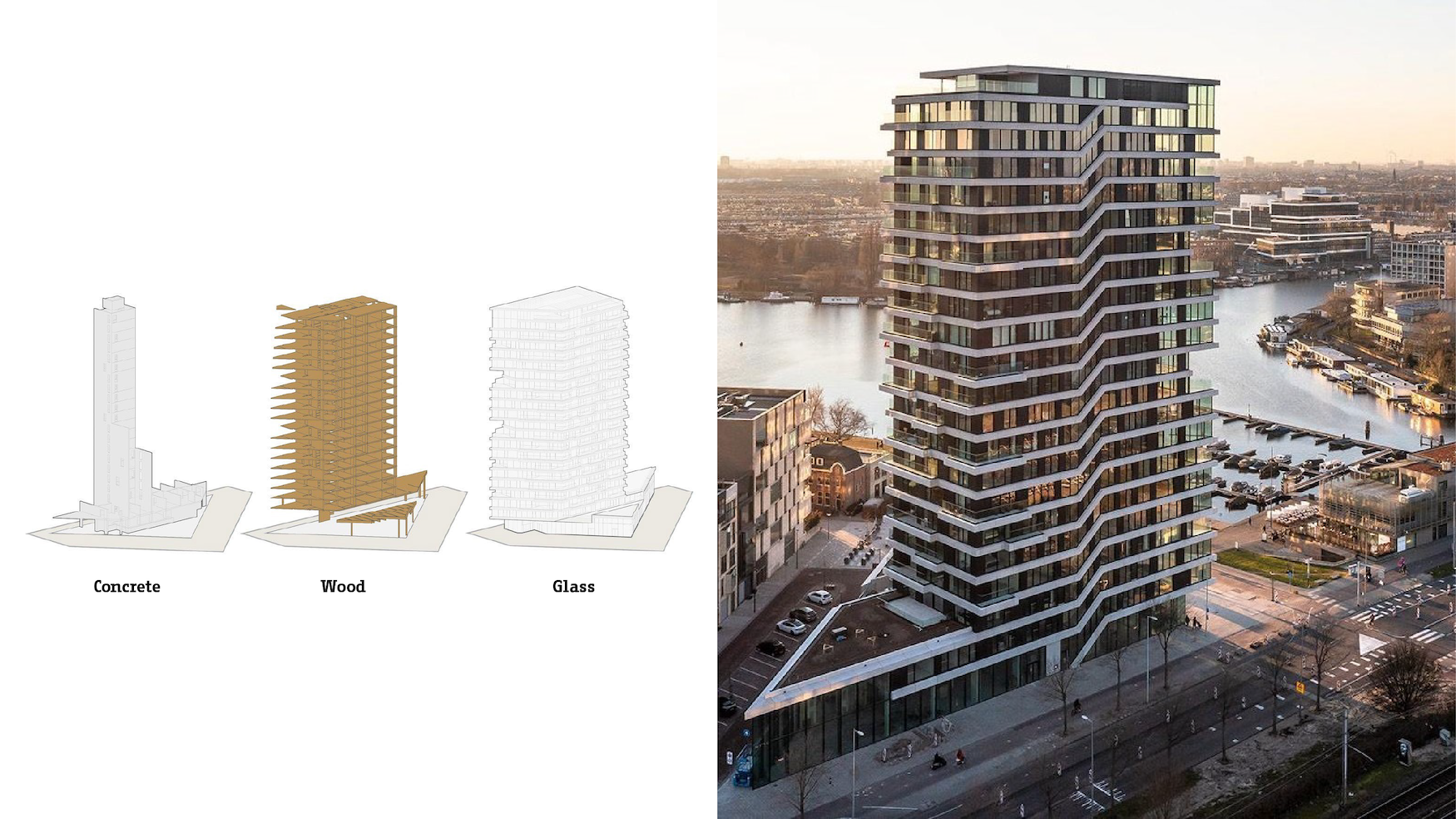
We want to achieve low emission construction logistics for high‑rise buildings in Amsterdam.
So we ask: how do BIMZEC solutions
impact transport emissions?
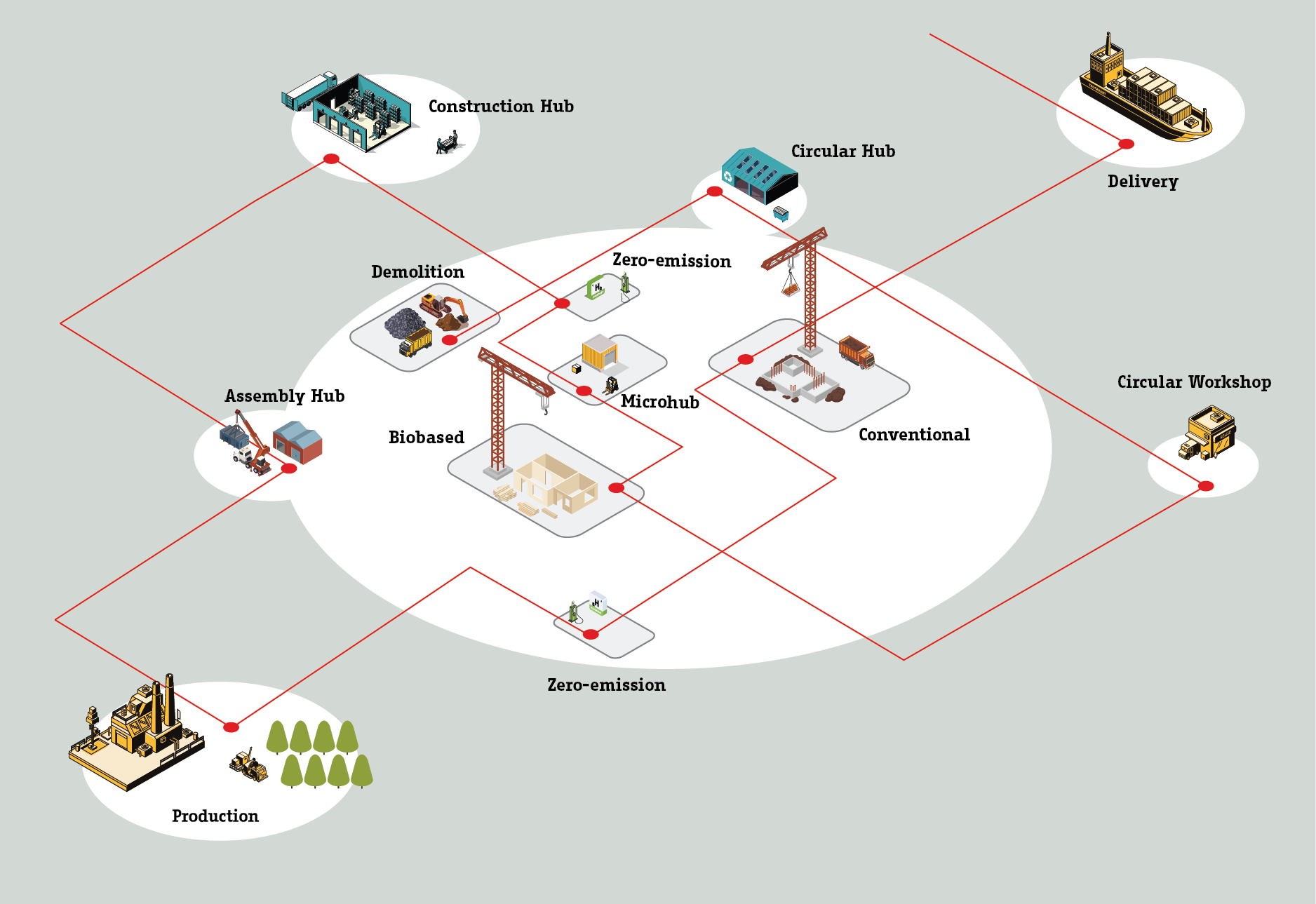
Construction hubs can be used
to implement BIMZEC solutions.
Micro hub
A small, temporary city hub for short-term storage and local
reuse of materials
Assembly hub
A regional hub where flat elements are delivered and
combined into large building components like timber modules
Zero-emission hub
A compact hub for charging electric and hydrogen trucks,
allows shift from fossil to zero-emission vehicles
Circular hub
A large, permanent hub where materials are repaired,
refurbished, and stored for future projects
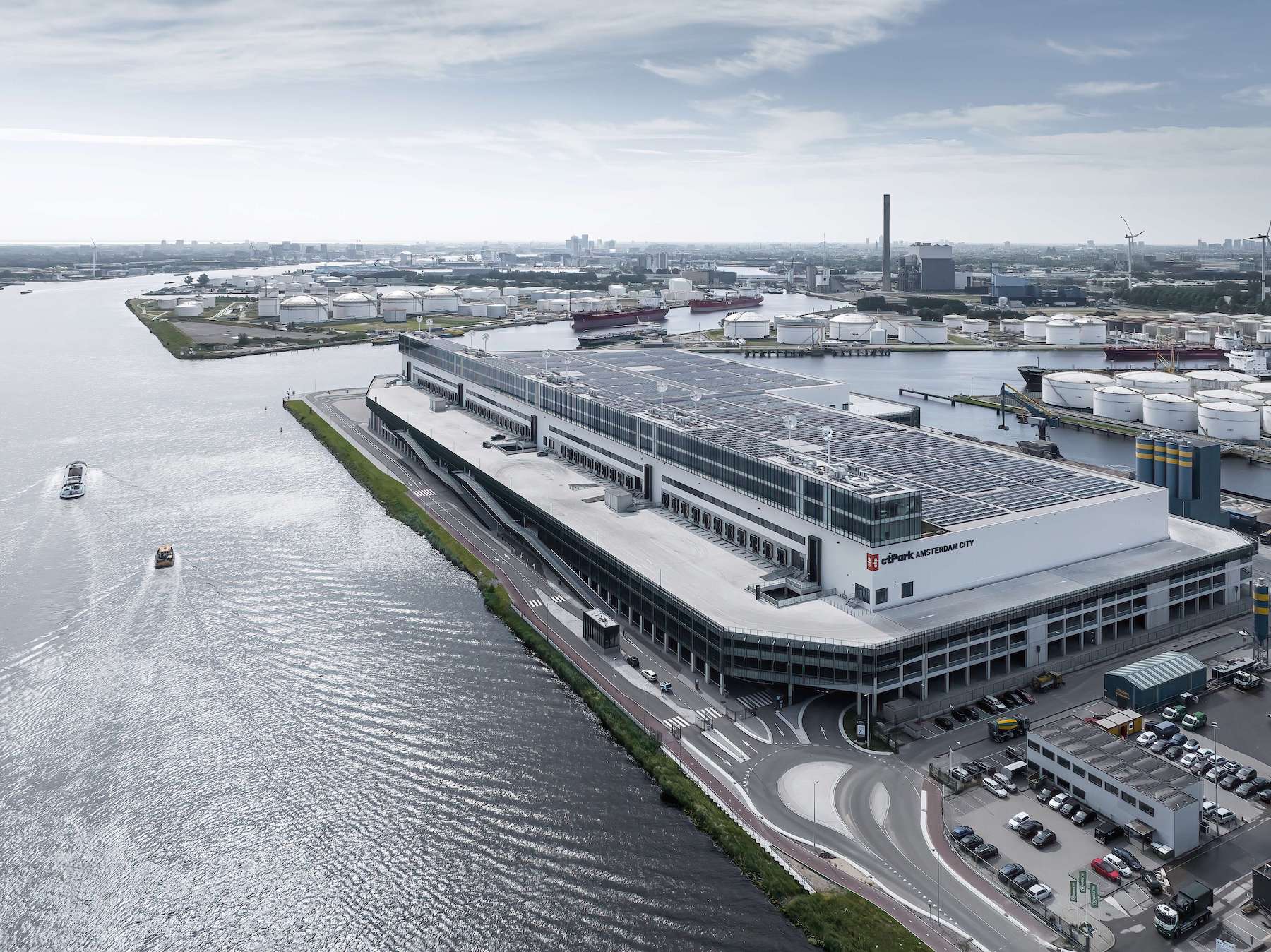
Macro Hub
Large multimodal logistics hub combining storage,
zero-emission charging, consolidation, and material reuse in
one place
We created an agent-based spatial model to test BIMZEC solutions.
An agent-based model is a computational model for simulating
the actions and interactions of autonomous agents in order
to understand the behavior of a system.
Scenario 1 - current situation
Current state - no operational hubs, mostly concrete + steel
building materials, materials transported via road - diesel
vehicles.
Scenario 2
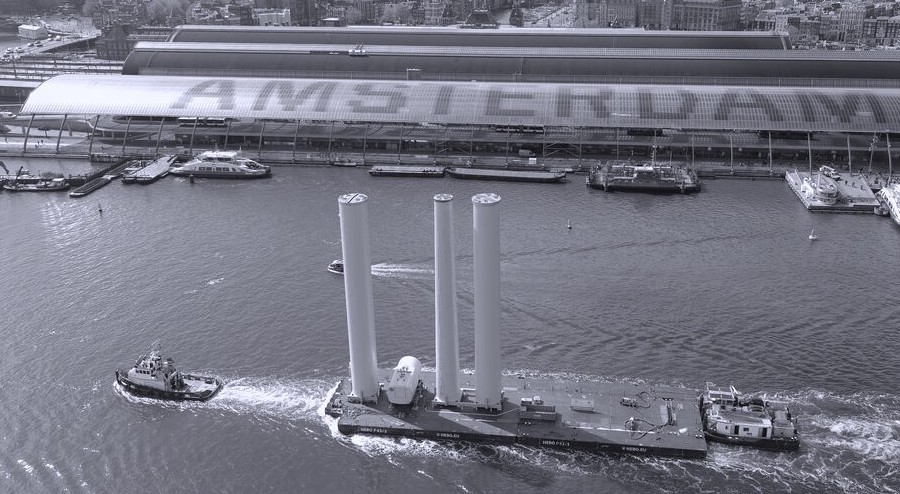
The use of macro hubs allowing water transport for bulk
materials and consolidation.
Scenario 3
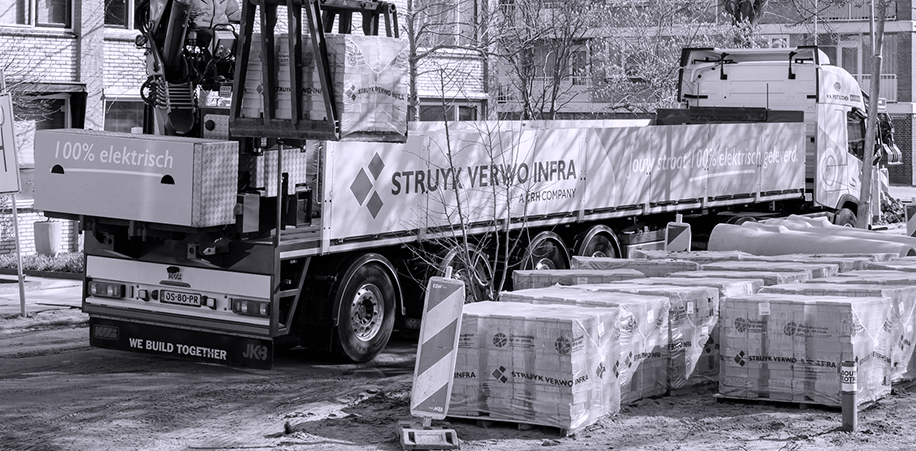
Introduction of zero-emission trucks operating through the
city center.
Scenario 4
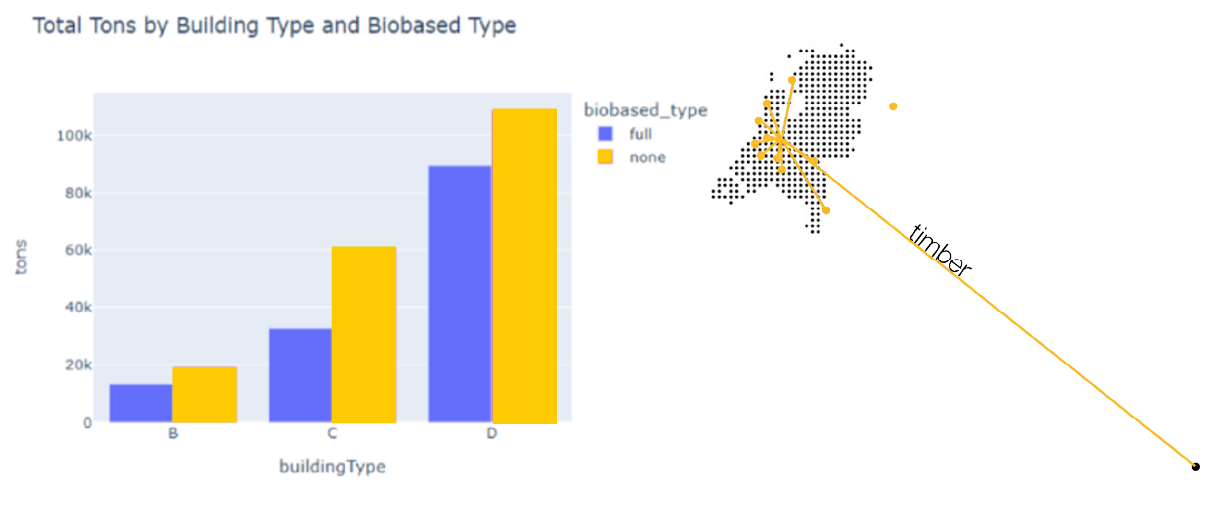
Huge turn towards the use of mass timber for construction
instead of conventional materials.
Scenario 5
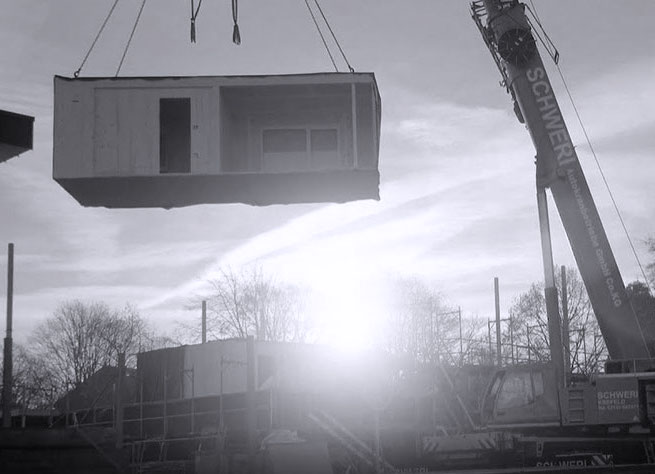
Introduction of modularity - building faster with
prefabricated timber modules.
Scenario 6
Shift towards circular strategies - materials are reclaimed
from demolition sites, brought to the hubs and reused in the
new construction projects.
Results
CO2
Index (Scenario 1 = 100)
NOx
Index (Scenario 1 = 100)
PM2.5
Index (Scenario 1 = 100)
PM10
Index (Scenario 1 = 100)
Emissions per scenario
Let's go through the scenario's again and see the emission
values. We show indexed values, where emissions in Scenario
1 equal 100.
Scenario 1 - current situation
Current state - no operational hubs, mostly concrete + steel
building materials, materials transported via road - diesel
vehicles.
Scenario 2
The use of macro hubs allowing water transport for bulk
materials and consolidation.
Scenario 3
Introduction of zero-emission trucks operating through the
city center.
Scenario 4
Huge turn towards the use of mass timber for construction
instead of conventional materials.
Scenario 5
Introduction of modularity - building faster with
prefabricated timber modules.
Scenario 6
Shift towards circular strategies - materials are reclaimed
from demolition sites, brought to the hubs and reused in the
new construction projects.
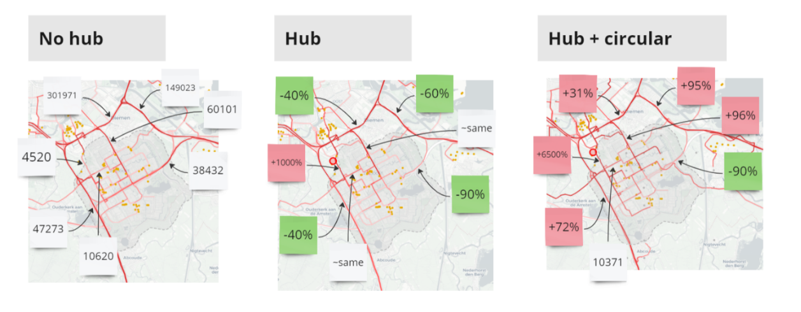
Findings
Scenario 1: Current situation
Based on these results, we found out the following:
Water transportation lowers CO2 but increases NOx
Transporting materials via water (using ships instead of
trucks) leads to lower CO2 emissions, but higher NOX and PM
emissions.
Zero-emissions transport does not significantly lower
overall emissions
Trucks mostly stick to city routes to meet zero-emission
zone rules, while long-haul transport still runs on diesel.
Biobased buildings lead to higher emissions, unless circular
Timber is much lighter than concrete and steel, yet it often
travels far greater distances - coming all the way from
countries like Austria.
Modular building result in 50% lower emissions
Timber modules benefit from coming from a single supplier.
So even with higher volumes, they massively cut down
transport flows from multiple suppliers.
Circular economy leads to lower emissions overall, but
increases local impact
Circularity keeps materials in the loop, meaning more local
transport — but also more downside for the city: added air
pollution, noise, and congestion.
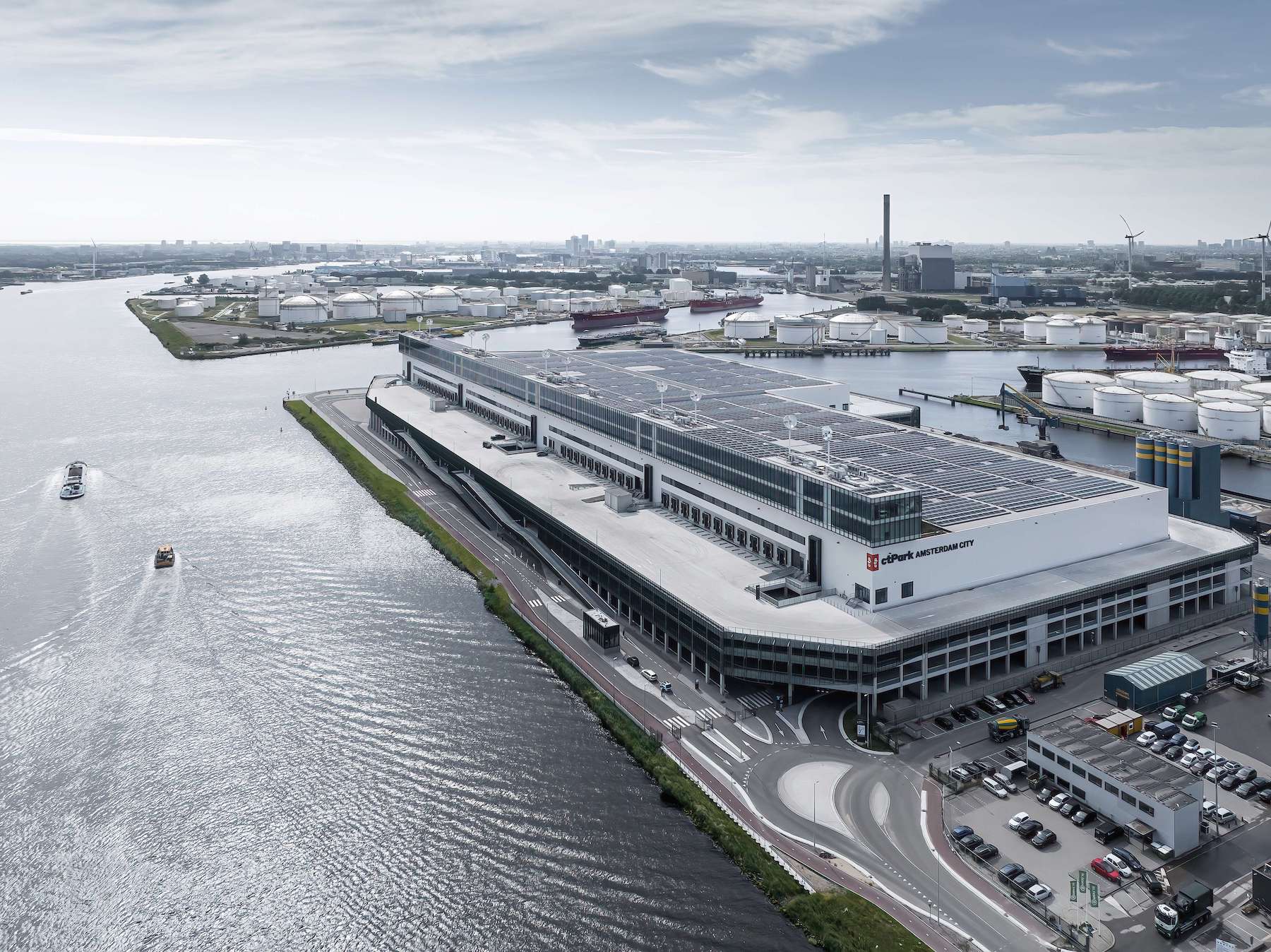
BIMZEC solutions together can lower transport emissions
substantially, but only if their implementation is logistics-aware .
BIMZEC Project
Research lead
Ruben Vrijhoef
Research
Tanya Tsui, Petar Koljenšić, Tim van Binsbergen, Jip Kuiper,
Walther Ploos van Amstel
Results, findings, and visualizations are based on the work of the
whole research team. Read more in the publication:
Tsui T, Koljenšić P, van Binsbergen T, Kuiper J, Ploos van Amstel W,
Vrijhoef R. Logistics for building circular, biobased, and modular:
environmental impacts in Amsterdam. Journal of Circular Economy.
2025. The project
was carried out by a consortium of 14 partners as a part of
Emissieloos Bouwen in by the support of BZK, managed by TNO and AMS Institute.
BIMZEC Scrollytelling
Concept and project lead (contact for more info)
Design and development
Erik Boertjes (BloomingData)
Support
CuRe TeamClick here to see the source of the images used.